
DOG TRAINING &
DOG BEHAVIOR
“Dog training is the process of teaching a dog to exhibit certain desired dog behavior in specific circumstances.”


DOG TRAINING & DOG BEHAVIOR
- Teaching a dog basic obedience commands (part of obedience training).
- Teaching a dog to perform tricks casually or for circus acts.
- Teaching a guide dog to lead the blind.
Teaching a rescue dog to find victims of a disaster. - Helping a hunting dog learn to perform its instinctive behaviors at appropriate times.
- The specific dog behavior taught in each case are different, but the underlying principles are similar.
In the wild as pack animals, canines have natural instincts that favor training. These instincts are manifested when the dog lives with humans as a desire to please a handler, as a dog would please senior members in a pack in the wild. The handler is simply whoever is working with a dog at the time.
BASIC DOG BEHAVIOR TRAINING
Most dogs, no matter their eventual advanced training or intended purpose, live with people and therefore must behave in a way that makes them pleasant to have around and for their own safety and that of other people and pets. Dogs do not figure out basic obedience and dog behavior on their own; it must be trained.
BASIC DOG TRAINING CLASSES
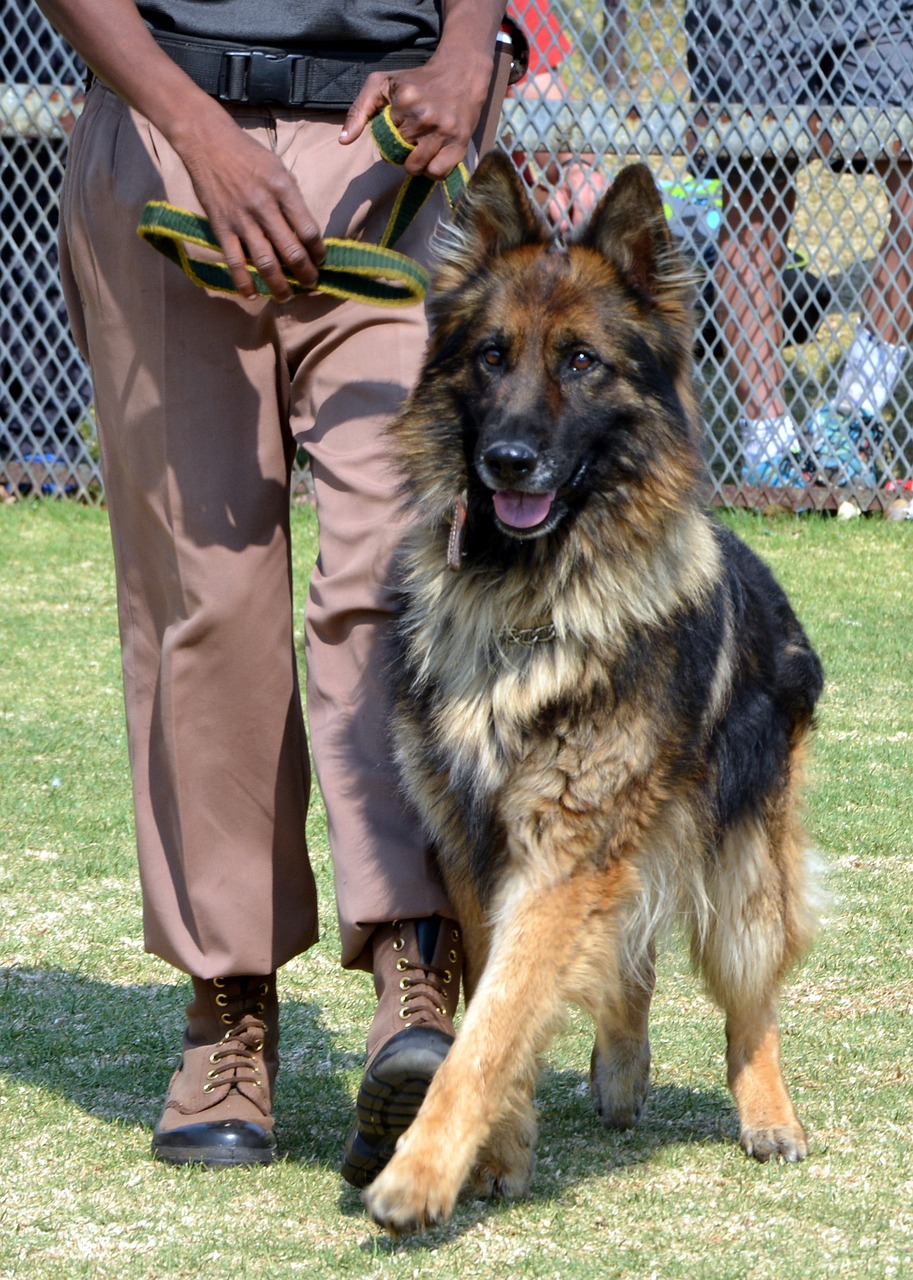
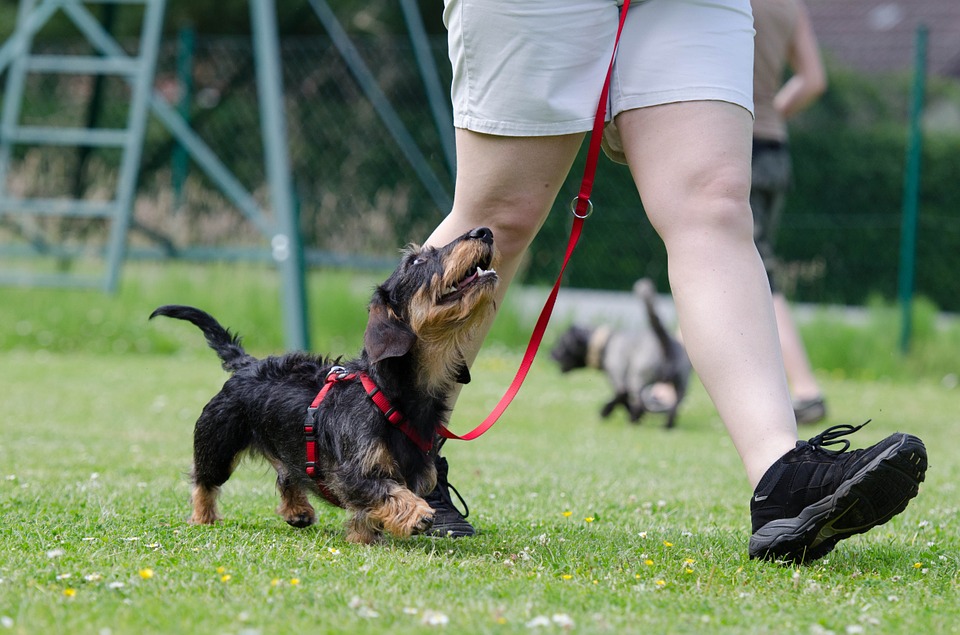
Professional “dog trainers” usually do not train the dogs, but actually train the owners how to train their own dogs. Although it is also possible to send a dog away to a training school, the owner still must at some point learn what the dog has learned and how to use it and reinforce it. Owners and dogs who attend class together have an opportunity to learn more about each other, dog behavior and how to work together under a trainer’s guidance. Training is most effective if everyone who handles the dog takes part in the training to ensure consistent commands, methods, dog behavior and enforcement.
COMMUNICATING WITH THE DOG
Fundamentally, dog training and dog behavior are about communication. From the human perspective the handler is communicating to the dog what dog behavior is correct, desired or preferred in what circumstances. From the canine perspective the handler must communicate what dog behavior will give the most satisfaction to his natural instincts and emotions. Without that inner satisfaction a dog will not work well.
A successful handler must also understand the communication that the dog sends to the handler. The dog can signal that he is unsure, confused, nervous, happy, excited and so on. The emotional state of the dog is an important consideration in directing the training, as a dog that is stressed or distracted will not learn efficiently Without proper training, dogs behave like dogs. They soil your house, destroy your belongings, bark excessively, dig holes in your yard, scratch at the door, fight other dogs, refuse your commands and even bite you. All this dog behavior problems are perfectly normal dog activities. What you see as problems with your dogs behavior, are not problems at all to your dog – only to you. The only reason for dog behavior problems are that bad behavior has been rewarded in the past.
Yes, you have trained your dog bad behavior
- You rewarded his jumping up by exchanging enthusiastic greetings…
- Dog says “Woof” and you open the door to let dog out. “Woof” and you open it again to let dog in…
- Dog runs away – and you chase him…
- Dog demands petting – and you obey…
Dog behavior that is not rewarded will decrease in intensity, duration or frequency and in time disappear. Conversely, dog behavior that is rewarded will increase.
Without realizing it, we often pay more attention to our dogs bad behavior. Dogs who do not receive a lot of attention and reinforcement for appropriate behavior may engage in destructive behavior when their owners are present as a way to attract attention – even if the attention is “negative”, such as a verbal scolding. Dogs tied or kenneled out in the backyard for long periods, crated inside all day or exercised only at their owners’ convenience are likely to develop serious dog behavior problems. Your dog may be lonely, bored, frustrated or anxious, but he is not malicious, vindictive or petty.
To prevent dog behavior problems train your dog early. The best age to start is approximately 12 weeks of age – and there is no end – it’s a lifelong journey. Kind of like our own education – we learn new things daily. By training your dog good behavior, you will soon have a reasonable household and a happier dog as well.
Never hit, kick or slap your dog. No need for yelling, or punishing, wooden sticks or a dog training collar. Sure, he will still love you. Even abused dogs love their owners – their unconditional love is the unique characteristic of dogs. But, it is the quickest way to erode your dogs trust in you. Punishment will not stop dog behavior problems.